The BASS Guys sunset lake masthead with black Lund boat and white Evinrude outboard
Freshwater bass fishing • Year-round strategies

Bass Fishing by Season and Weather Conditions

How changing water temperatures, seasonal movements, and weather can influence freshwater largemouth and smallmouth bass fishing.

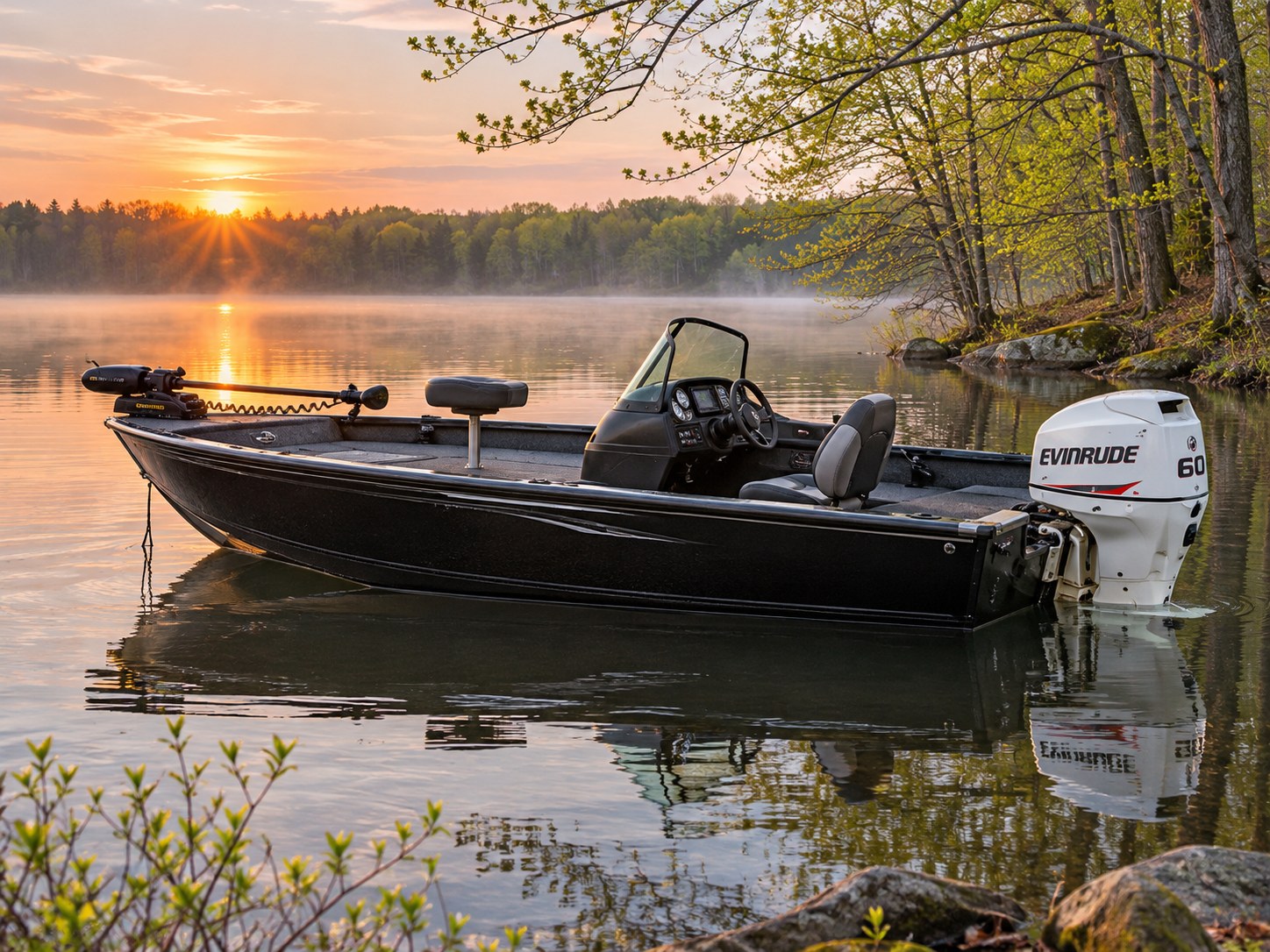
Spring sunrise on a misty freshwater lake with a black Lund-style aluminum bass boat and white Evinrude outboard🌱 Spring

Spring Fishing Strategies

As water warms, look for bass moving between deeper staging areas and shallow spawning habitat. Adjust your presentation to local conditions and fishing regulations.

Read Detailed Guide

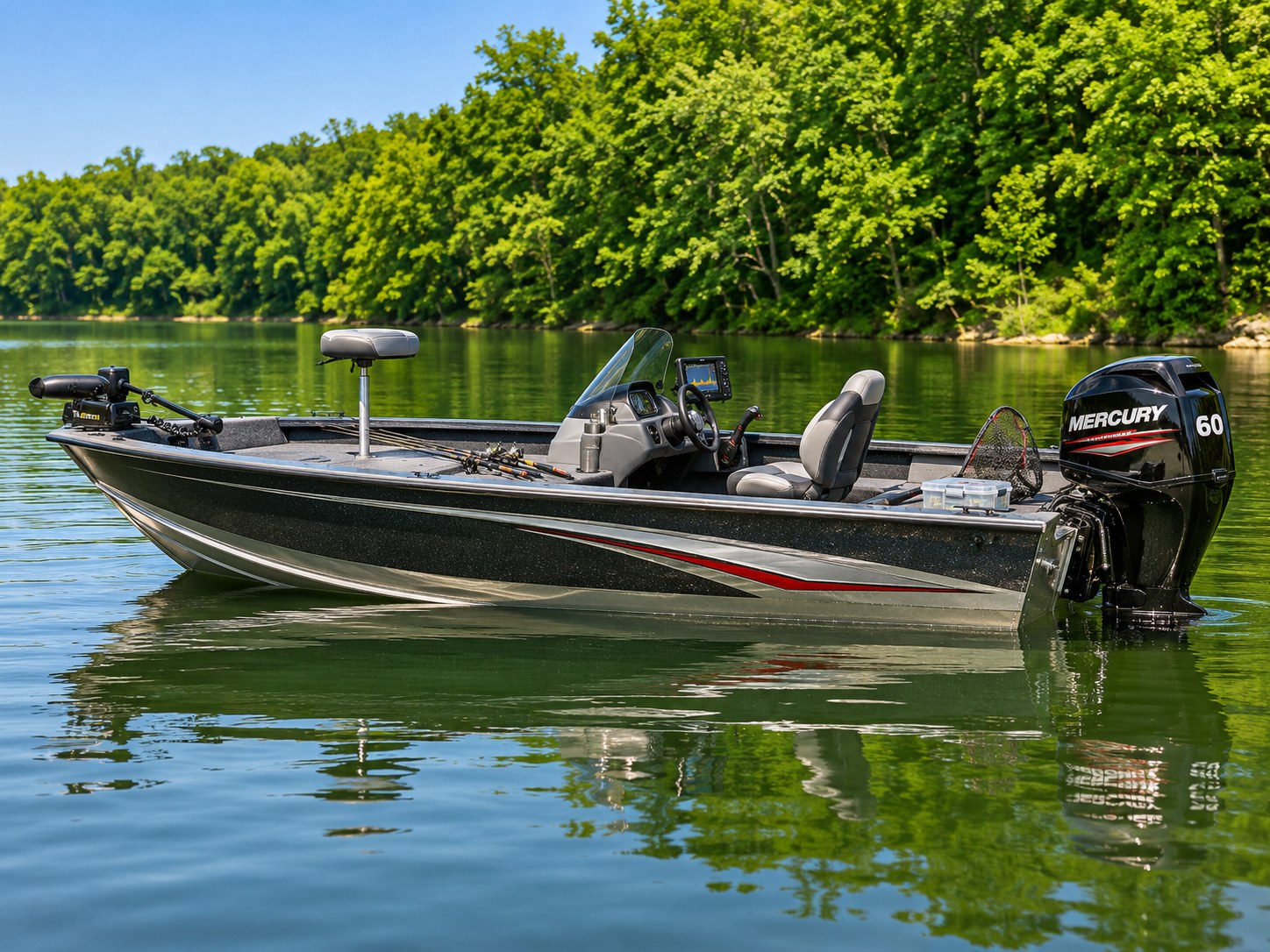
Summer freshwater bass fishing scene with a Lowe-style aluminum boat, black Mercury outboard and green shoreline☀️ Summer

Summer Fishing Strategies

During warm weather, bass may use vegetation, shade, docks, and deeper structure. Early and late periods of the day can offer useful opportunities.

Read Detailed Guide
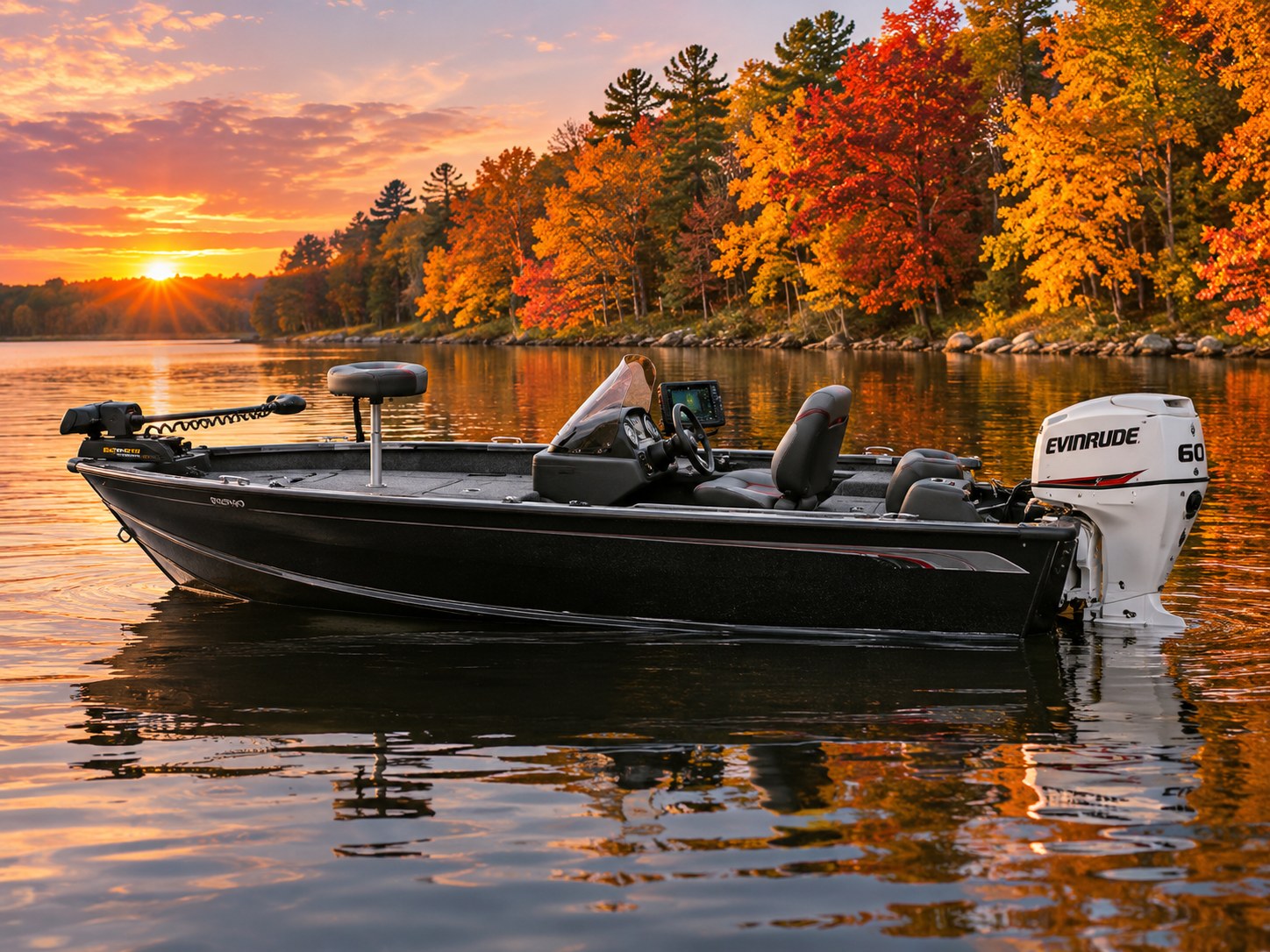
Fall foliage and sunset reflected on a freshwater lake beside a black Lund-style aluminum bass boat with white Evinrude outboard🍂 Fall

Fall Fishing Strategies

As waters cool, watch for baitfish and bass activity along points, flats, and transitions between shallow and deep water.

Read Detailed Guide
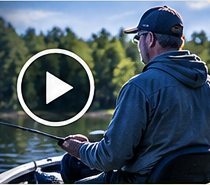
Winter freshwater bass fishing scene❄️ Winter

Winter Fishing Strategies

In colder water, slower presentations and careful attention to depth and structure can be productive for bass.

Read Detailed Guide
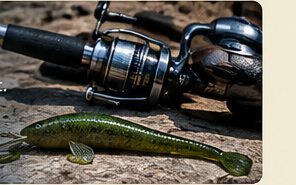
Freshwater fishing conditions and weather illustration🌦️ Weather

Fishing Weather Conditions

Learn how wind, cloud cover, light, and changing conditions can affect bass fishing and help you plan a safer day on the water.

Read Detailed Guide
Seasonal fishing calendar illustration🗓️ Calendar

Monthly Fishing Calendar

A month-by-month overview for freshwater bass fishing. Timing varies by latitude, weather, and local water temperature.

Read Detailed Guide
🌱 Spring Fishing Strategies — Five-step guide

As water warms, look for bass moving between deeper staging areas and shallow spawning habitat. Adjust your presentation to local conditions and fishing regulations.

  1. Look for movements from deeper holding areas toward shallow protected water.
  2. Fish points and transitions before checking spawning areas.
  3. Adjust retrieve speed and depth to water temperature and clarity.
  4. Observe seasonal restrictions and protect spawning fish.
  5. Record where bass hold as conditions change.
☀️ Summer Fishing Strategies — Five-step guide

During warm weather, bass may use vegetation, shade, docks, and deeper structure. Early and late periods of the day can offer useful opportunities.

  1. Start around shade, vegetation edges, and docks.
  2. Try early or late low-light periods.
  3. Look for deeper structure when shallows become unproductive.
  4. Match lure depth and speed to observed fish activity.
  5. Stay hydrated and monitor weather and boat safety.
🍂 Fall Fishing Strategies — Five-step guide

As waters cool, watch for baitfish and bass activity along points, flats, and transitions between shallow and deep water.

  1. Watch for schools of baitfish and signs of bass feeding.
  2. Check points, flats, and nearby channel transitions.
  3. Use moving baits when fish chase baitfish.
  4. Slow down when conditions or fish activity require it.
  5. Track changing water levels and wind exposure.
❄️ Winter Fishing Strategies — Five-step guide

In colder water, slower presentations and careful attention to depth and structure can be productive for bass.

  1. Look for deeper cover and structure close to access routes.
  2. Pay attention to depth, temperature, and sunny banks.
  3. Try compact, controlled and slower presentations.
  4. Avoid assumptions: adjust to fish responses and local conditions.
  5. Check cold-water boating safety and weather forecasts.
🌦️ Fishing Weather Conditions — Five-step guide

Review wind, cloud cover, light, and approaching weather before and during your trip. Conditions can influence where and how bass feed, but patterns vary by lake and season.

  1. Review wind direction and safe boating conditions.
  2. Note cloud cover and available light.
  3. Watch changing air pressure as one possible clue, not a guarantee.
  4. Monitor storms and leave the water when lightning threatens.
  5. Compare conditions and catches in your fishing notes.
🗓️ Monthly Fishing Calendar — Five-step guide

A month-by-month overview for freshwater bass fishing. Timing varies by latitude, weather, and local water temperature.

  1. January–February: cold-water holding areas and deliberate presentations.
  2. March–April: warming trends and seasonal movements.
  3. May–June: location-specific spawning and postspawn transitions.
  4. July–September: summer cover, depth and early/late patterns.
  5. October–December: baitfish movements and cooling-water adjustments.
Return to the Fishing Archive